On-Page SEO: The Ultimate 2025 Guide for Top Google Rankings

Introduction: What is On-Page SEO?
On-page SEO is the cornerstone of any successful website's search engine visibility. In 2025, the competition for top Google rankings is fiercer than ever, making it crucial to master every element of on-page SEO. This guide walks you through the essential steps, advanced tips, and actionable strategies to optimize your content for search engines and users alike.
Why On-Page SEO Matters in 2025
- Directly influences your site's Google ranking
- Improves click-through rates from search results
- Helps search engines understand your content
- Prepares your site for voice and AI search queries
Step 1: Keyword Research—The Foundation of On-Page Success
Start with a primary keyword (like on-page SEO) that offers the highest potential for traffic with the lowest competition. Then, expand your strategy by researching secondary and long-tail keywords that capture natural language and voice search queries, such as:
- how to create an on-page SEO checklist
- on-page SEO for beginners
- on-page SEO best practices 2025
- technical SEO vs. on-page SEO
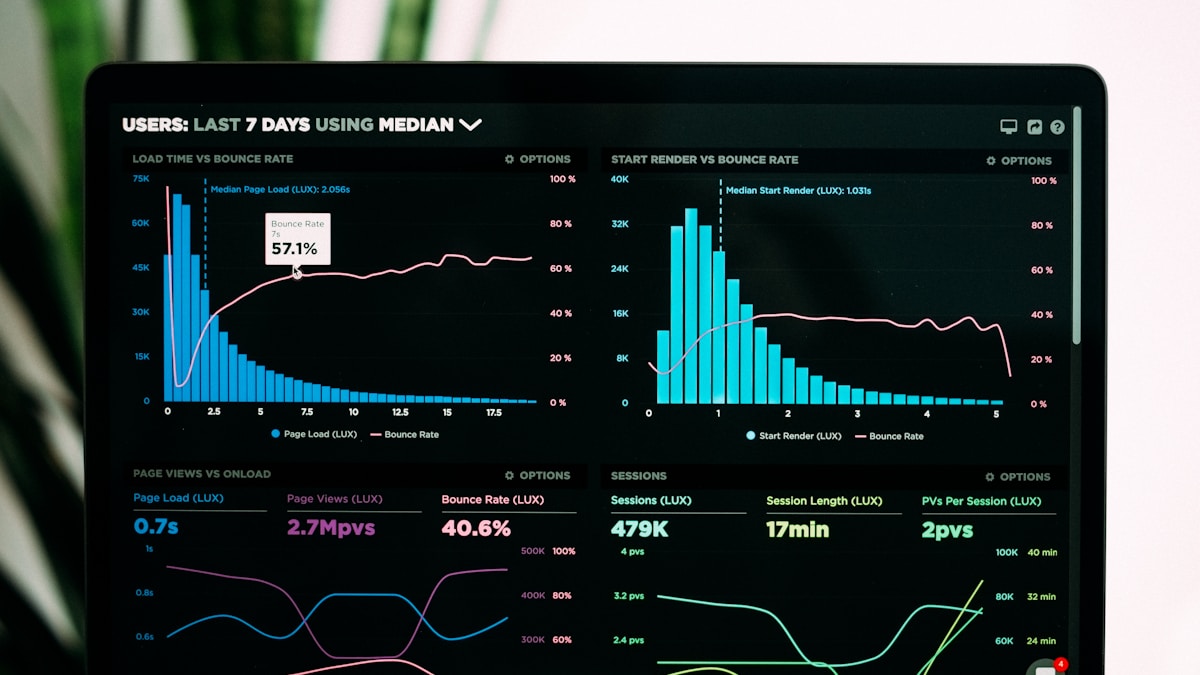
Use tools like Google Trends, SEMrush, or Ahrefs to validate search volume and competition.
Step 2: Optimize Titles, URLs, and Meta Tags
- Title: Front-load your main keyword ("On-Page SEO: The Ultimate Guide"). Keep it under 60 characters.
- URL: Create a short, keyword-rich custom permalink, e.g
/on-page-seo-ultimate-guide - Meta Description: Write a concise description using your main keyword. Example: "Unlock the secrets of high Google rankings with this ultimate on-page SEO guide for 2025. Actionable, expert strategies await!"
Step 3: Content Structure for Maximum Visibility
Organize the article using clear H2/H3 headings and an ordered flow:
- Introduction
- Importance of On-Page SEO
- Keyword Research
- Meta Tags & Titles
- Internal Linking Strategies
- Optimizing Images
- Technical Checks
- FAQs
- Conclusion & CTA
Sprinkle secondary keywords naturally, aiming for 1–2% keyword density without stuffing.
Step 4: Internal Linking for SEO
Link to related topics in your blog using contextual anchor text. Example anchor texts:
- Technical SEO checklist for 2025
- How to optimize blog images for SEO
- SEO vs SEM: What's the difference?
Distribute internal links throughout your content to improve site crawlability and user navigation.
Step 5: Image Optimization
Every image should have:
- Descriptive, keyword-rich file name (e.g., on-page-seo-2025-guide.jpg)
- ALT text: "On-Page SEO Ultimate Guide illustration"
- 16:9 aspect ratio for the featured image
Step 6: Technical Checks
- Ensure fast page loading with compressed images
- Use mobile-friendly, responsive layouts
- Implement schema markup, including FAQ schema
Frequently Asked Questions (FAQ)
What is the difference between on-page and off-page SEO?
On-page SEO involves optimizing elements within your control—content, meta tags, internal links. Off-page SEO refers to tactics like backlinks and social signals, which happen outside your site.
How often should I update my on-page SEO strategies?
Aim to review and update your on-page SEO at least quarterly to keep up with algorithm changes and new trends, such as voice search and AI-driven search features.
How do I optimize for voice search?
Use conversational language, answer specific questions, and include long-tail keywords that match natural speech patterns.
Should images include keywords?
Yes, always include your main keywords in image file names and ALT text for better SEO and accessibility.
Conclusion
Mastering on-page SEO is the foundation of lasting website success in 2025. From technical optimization and engaging content to smart internal linking and FAQ optimization, each step brings your blog closer to the top of Google's search results. Start optimizing today and watch your traffic grow!
Ready for more SEO strategies? Explore our complete technical SEO checklist here and keep your digital edge sharp!


Comments
Post a Comment